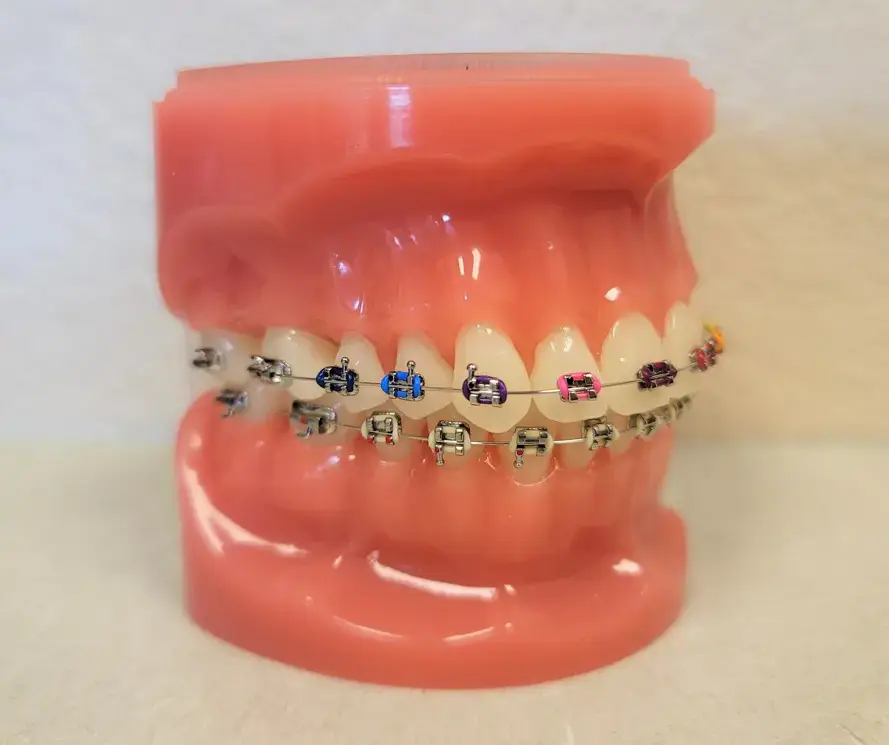


Do you want to know how to floss with braces in Vacaville, CA? Braces can make cleaning your teeth harder because wires and brackets trap food. Over time, this can lead to plaque buildup and gum problems if not cleaned properly.
Keep reading to learn simple, step-by-step ways to floss with braces and find tools that make cleaning your teeth easier every day.
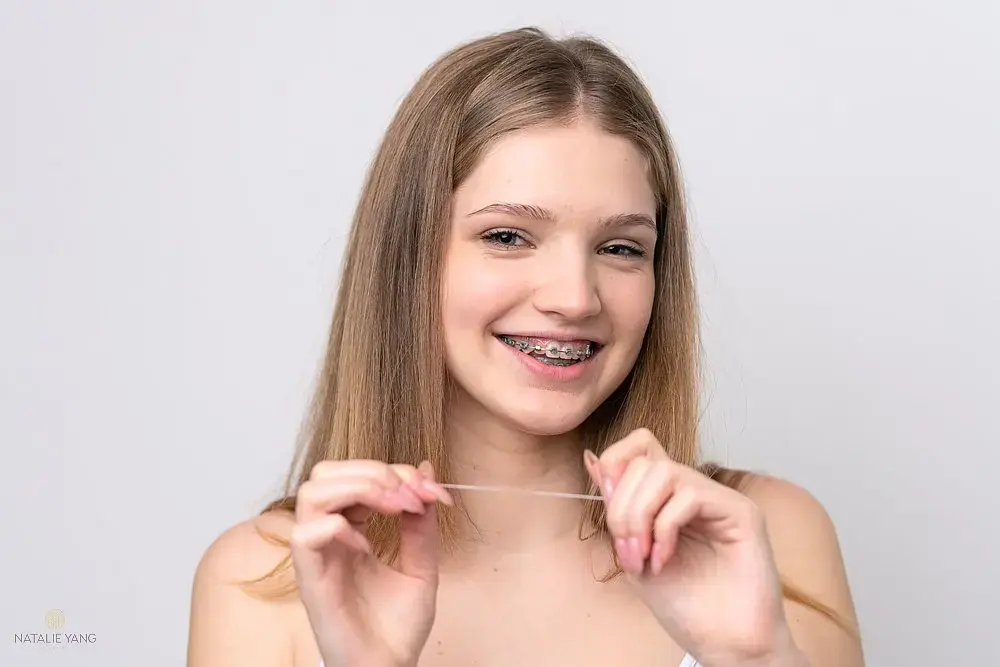
Why Flossing with Braces Matters
Braces straighten your teeth, but they also create small spaces where plaque, debris, and food particles can collect. Without daily cleaning, this buildup may cause gum inflammation, tooth decay, or tartar. Brushing is crucial, but it can’t reach every spot around your orthodontic appliances. Flossing removes plaque and bacteria from tight spaces under the wires and around brackets, protecting your teeth and gums during orthodontic treatment. Following proper braces care instructions and maintaining a solid cleaning routine are essential for healthy teeth and gums during orthodontic treatment.
Cleaning Tools That Make Flossing with Braces Easier
Flossing braces may seem tricky, but using the right tools makes it much easier. Here are some of the top tools to consider for your routine to improve your oral health:
Floss Threaders
A floss threader is a small, flexible tool that slides floss under the archwire of your braces. This lets you floss between your teeth without harming your wires or brackets. Floss threaders are simple and inexpensive, making them a great starting point for people adjusting to braces care.
Water Flossers
A water flosser like Waterpik, also known as an oral irrigator, uses a gentle stream of water to blast away plaque and debris around brackets and along the tooth surfaces. It’s perfect for sensitive gums and hard-to-reach areas. This is a must-have tool for anyone seeking a more thorough and efficient cleaning process.
Superfloss
Superfloss has pre-cut threads with stiff ends that make threading under wires easy. It also has a spongy section that cleans thoroughly along the gumline and around brackets. Superfloss is especially helpful for patients who need more cleaning control.
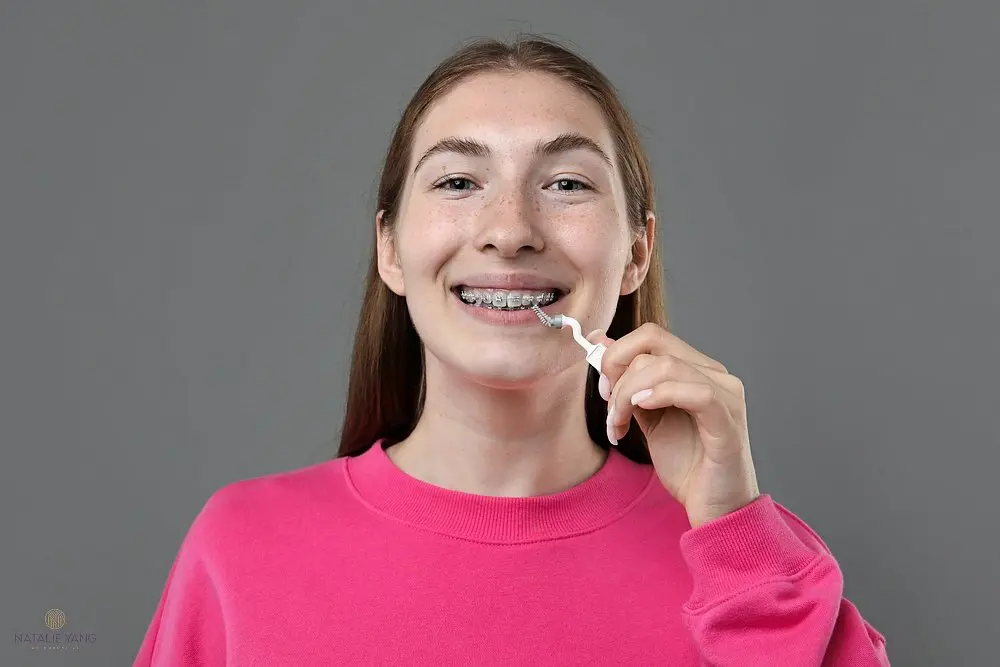
Interdental Brushes (Proxy Brushes)
Interdental brushes or proxabrushes are small, tapered brushes that fit easily between your teeth, brackets, and wires. These brushes work well for removing trapped food particles and plaque. They’re a must-have tool for keeping tight spaces clean.
Floss Picks
Floss picks are convenient, pre-threaded tools that are quick to use. They come with a handle for easy grip and can simplify your flossing routine when you’re short on time. Some floss picks are specifically designed for braces, ensuring better results.
Where to Purchase Flossing Tools
Need floss threaders, water flossers, or superfloss? You can find these tools at most Vacaville stores or online. Your orthodontist may also carry these products and can help you choose the best options for your needs.
How to Floss with Braces Step by Step
While flossing with braces may seem challenging at first, the process becomes easy once you establish a routine. Follow these steps for clean and healthy teeth:
Step 1: Prepare Your Floss
Start by cutting a piece of floss about 18 inches long. Use a floss threader to place the floss under your braces’ wire, positioning it between two teeth.
Step 2: Floss Around Each Tooth
Wrap the floss in a “C” shape around one tooth. Slowly move it up and down to clean along the tooth’s surface and just below the gumline. Be gentle to avoid damaging your gums or bending the wire.
Step 3: Use a Water Flosser for an Extra Clean
After using string floss, consider a water flosser for deeper cleaning. Adjust the water pressure to your comfort level and aim the water stream at tough-to-reach spaces between wires and brackets. This method helps flush out any particles that floss may have missed.
Step 4: Follow Up with Brushing
Finish your flossing routine by brushing with a soft-bristled toothbrush. Brush carefully around each bracket and wire, ensuring you clean along the gumline. Use fluoride toothpaste to protect your enamel and rinse with mouthwash for extra cavity prevention.
Flossing Tips for Different Braces
Each type of braces may need a slightly different flossing technique:
- Metal Braces: Move floss gently under the wires to avoid bending or damaging them.
- Clear Braces: Use slow and soft motions to prevent scratching the clear brackets.
- Lingual Braces: Use a water flosser or interdental brush for better cleaning.
- Self-Ligating Braces: These have fewer components, but you still need to carefully clean around the wires.
Overcoming Common Flossing Challenges
Flossing with braces isn’t always easy. Here are some common difficulties and how to handle them:
Sore or Tender Gums
At first, flossing might make your gums feel sore or tender. Rinse your mouth with warm salt water to soothe irritation. As Dr. Emily Funk-Reynolds, a professional orthodontist in Chester Springs, PA, explains, easing into a regular flossing routine gradually can help tender gums adjust over time and make for a more comfortable experience. Over time, your gums will adjust and become stronger.
Tight Spaces Between Teeth
Tight gaps between teeth can make flossing tricky. Use waxed floss, superfloss, or a water flosser to slide between these areas more smoothly. Move the floss gently back and forth to avoid hurting your gums. With regular care, these tight spots will stay clean and free from plaque.
Busy Days
If you’re short on time, use tools like floss picks or a water flosser to save time while still cleaning your teeth effectively. These tools make it easy to stay consistent with your oral hygiene routine. Keep them in your bag or car so you can clean your teeth even when you’re on the go.
Caring for Your Teeth After Braces
Once your braces are removed, keeping up with a strong dental hygiene routine will help maintain your healthy, straight smile. Here’s what to do:
- Wear Your Retainer: Retainers keep your teeth in their new position. Use them as directed by your orthodontist to maintain your straight smile.
- Stick to Daily Hygiene Habits: Brush twice a day with fluoride toothpaste and floss regularly. Visit your dentist and orthodontist for routine checkups to prevent cavities, tartar, and gum problems.
Expert Care at Natalie Yang Orthodontics
Natalie Yang Orthodontics in Vacaville, CA, prioritizes clean and healthy smiles. Dr. Natalie Yang and her team offer hands-on training in braces hygiene routines, from teaching proper flossing techniques to introducing effective hygiene aids like floss threaders and water flossers. They also guide you through preventive strategies to avoid common challenges such as gingivitis or plaque buildup.
Start Flossing with Braces Today
Don’t let braces stand in the way of good oral hygiene! With floss threaders, water flossers, interdental brushes, and floss picks, keeping your teeth clean and healthy is simple and efficient. At Natalie Yang Orthodontics, we provide expert guidance and support for every step of your orthodontic journey. Schedule a consultation and take the first step toward a healthier smile!
About The Authors
Dr. Natalie Yang – Orthodontist in Vacaville, CA
Dr. Emily Funk-Reynolds – Orthodontist in Chester Springs, PA
Frequently Asked Questions
Is it normal to not be able to floss with braces?
Yes, it’s totally normal to have a hard time flossing with braces. The wires and brackets can make it tough to reach between your teeth. Many people struggle at first. It just takes some practice and patience to get used to it. You can try using special tools like floss threaders, interdental brushes, or even a water flosser to make it easier.
How many times are you supposed to floss with braces?
Try to floss at least once a day when you have braces. It might take more time, but it’s worth it to keep your teeth and gums healthy. Some people even floss twice a day if they can. What matters most is doing it carefully and getting between every tooth and wire. Take your time, be gentle, and use tools that help, like a floss threader.
Is it okay to miss a day of brushing with braces?
It’s best not to skip brushing when you have braces. The brackets and wires can trap food and plaque fast, which can cause stains, cavities, or gum problems. Even missing one day can let bacteria build up. Try to brush at least twice a day, and if you can, brush after meals too. It might seem like a lot now, but it keeps your teeth clean and your smile shining when your braces come off.