


Mouth Breathing: Causes & Treatment Options in Vacaville CA

Causes and Effects of Mouth Breathing

Causes of mouth breathing
There are different reasons why someone may breathe through their mouth instead of their nose. These include temporary causes such as seasonal allergies. Chronic causes include chronic nasal congestion, enlarged tonsils, deviated septum, and sleep apnea.
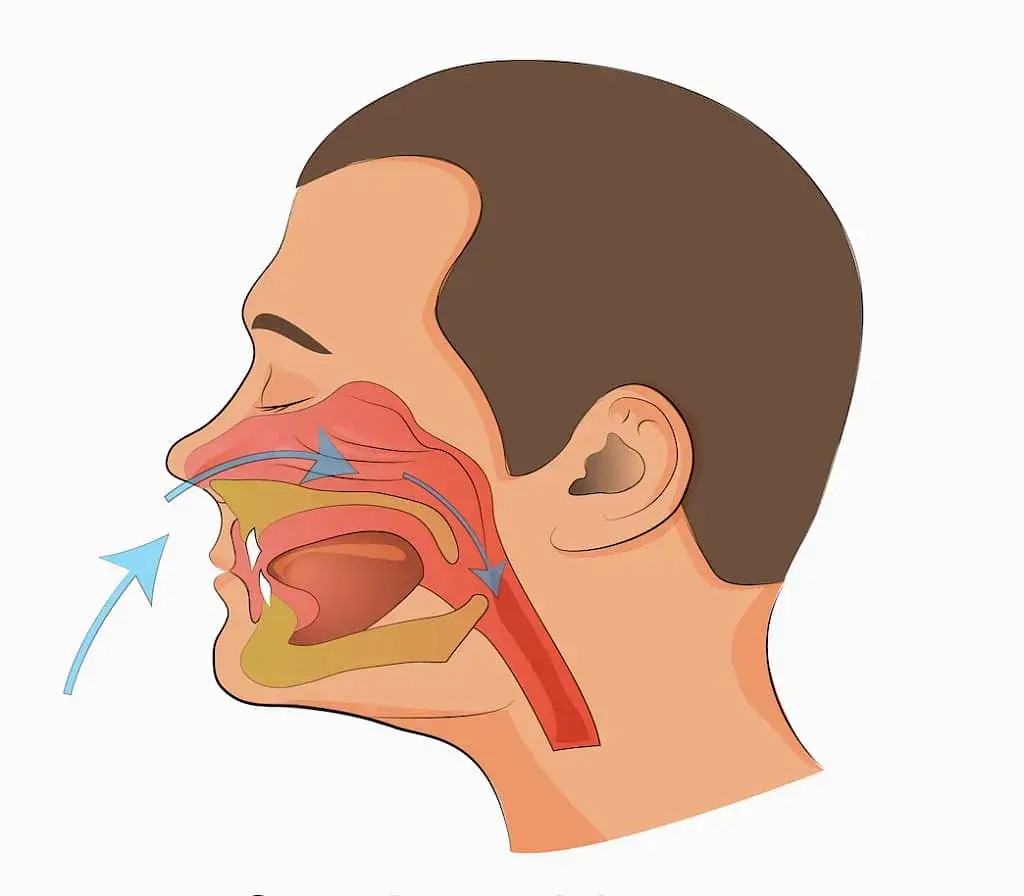
Mouth breathing affects overall health
Mouth breathing can be a risk to your respiratory health. Without the proper filtration provided by the nose, individuals may become more prone to respiratory infections.

Relationship between mouth breathing and dry mouth
Breathing through the mouth can reduce saliva levels and increase the risk of xerostomia (dry mouth).
If left untreated, a dry mouth can potentially increase the risk of cavities, cause bad breath, and cause hoarseness or a sore throat.

Connection between mouth breathing and sleep apnea
Mouth breathing and sleep apnea frequently coexist, forming a cycle that negatively impacts both sleep quality and daily functioning. Addressing the root cause of mouth breathing often leads to noticeable improvements in sleep, underscoring the need to identify and manage both issues to enhance overall health and wellness.
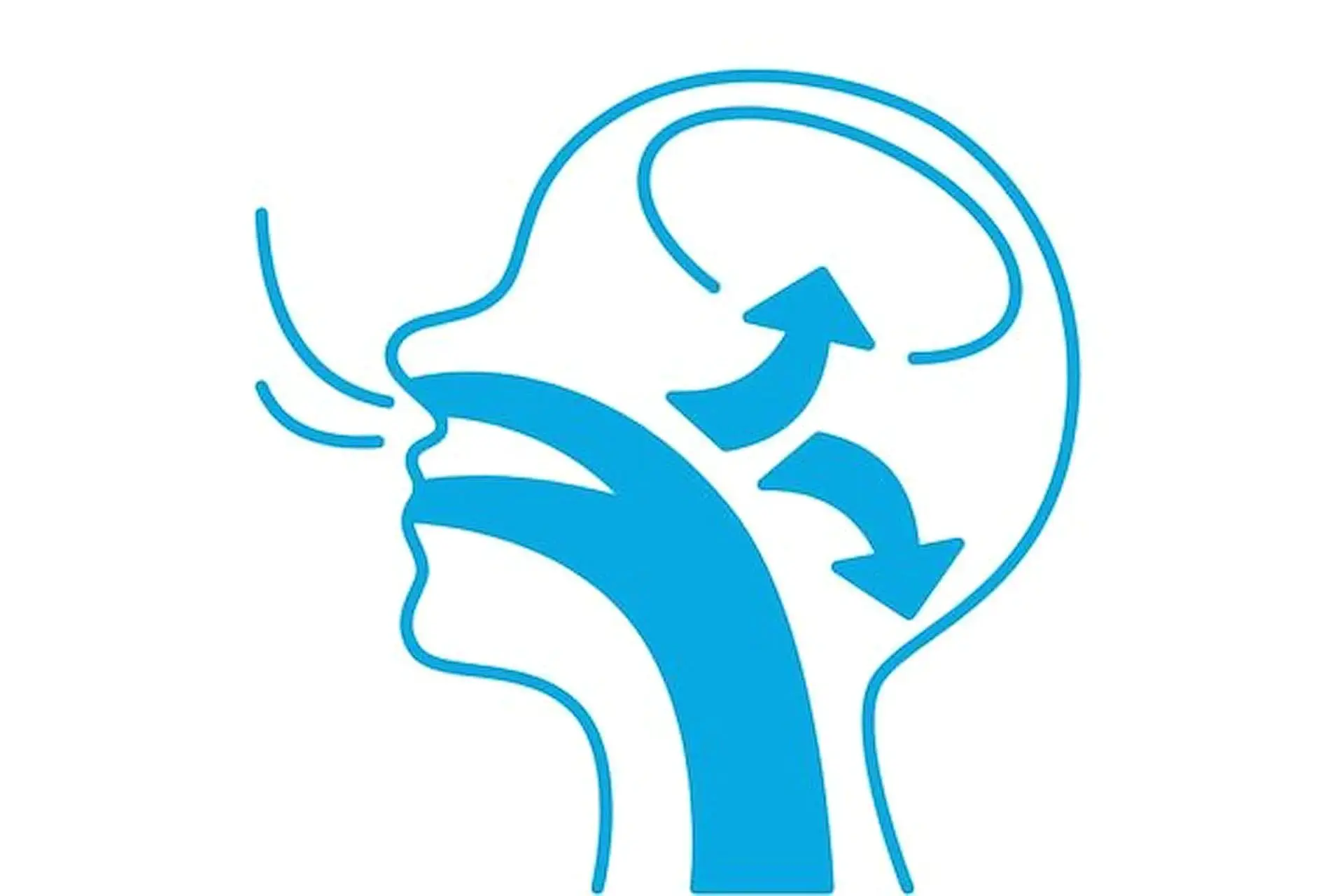
Relationship between mouth breathing and bite issues
Mouthbreathing is correlated with an increased risk of bite issues because the tongue, lips, and cheeks end up placing uneven pressure on the teeth and jaws.
Bite issues that could arise include open bites, cross bites, and a narrow palate.

Impact of mouth breathing on oral health and bad breath
At our practice, we often encounter patients whose mouth breathing has contributed to dental issues and bad breath. Reduced saliva production allows harmful bacteria to thrive, which can lead to tooth decay and gum disease.
Health Risks Associated with Mouth Breathing
Mouth breathing allows pathogens and allergens to bypass the nasal cavity’s natural filtration system. This allows pathogens to enter the lungs more easily, which can increase the risk of respiratory infections such as sinus infections, colds, and the flu. Habitual mouth breathing can lead to chronic nasal congestion and blockage, which in turn exacerbates the issue by making nasal breathing more difficult.
The relationship between mouth breathing and lung health is therefore concerning, as it can contribute to respiratory problems over time. In young children, the complications of mouth breathing can be especially concerning. Chronic mouth breathing in kids can lead to abnormal facial and dental growth, poor sleep quality, and behavioral difficulties. Early detection can help mitigate these issues before they occur or before issues become severe.
Diagnosis and Treatment
At Natalie Yang Orthodontics, we actively screen for mouth breathing habits and associated conditions such as sleep apnea. We work closely with you to create a personalized treatment plan that may include orthodontic appliances, breathing exercises, and coordination with local specialists when needed.
FAQ
Does mouth breathing affect facial development?
Yes, particularly in growing children. At our practice, we have observed how chronic mouth breathing can influence facial growth patterns, potentially leading to elongated facial features and dental misalignment. Early intervention can help prevent these developmental concerns and ensure healthy facial growth.
What are the most effective treatments for mouth breathing?
We provide comprehensive treatment strategies tailored to each patient’s needs. We may suggest a combination of orthodontic appliances, coordination with an ENT specialist, and/or breathing or postural changes. Our treatment plans take Vacaville’s unique environmental aspects into account and are designed to deliver long-lasting results for our local patients.
Does having an overbite or open bite mean that I’m a mouth breather?
Not necessarily. While bite issues may sometimes contribute to mouth breathing, it is not always the reason. Mouth breathing is more commonly linked to underlying issues such as nasal congestion or other health conditions. Having an overbite or open bite does not automatically mean you are or will become a mouth breather. If you are concerned about your breathing or oral health, consulting a dental or healthcare professional is advisable.